

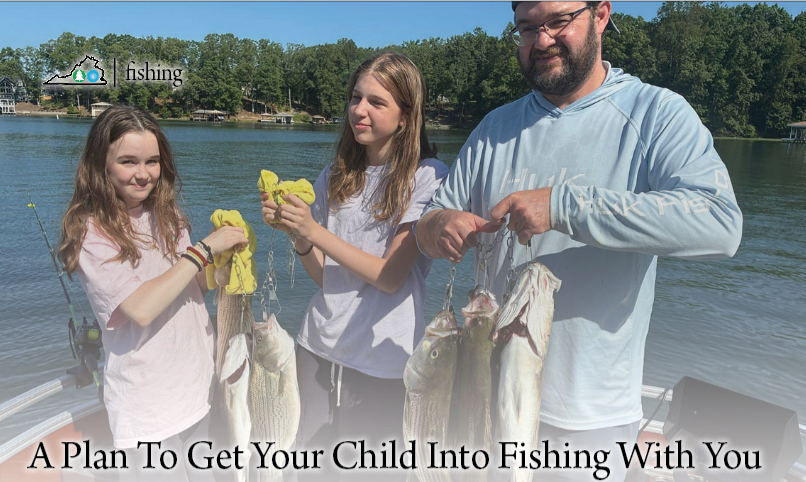
As a fishing guide I’ve taken thousands of youngsters fishing in 30 plus years of hosting anglers. Along the way I discovered that not every child learns the same way – some can take my instructions and others need me to demonstrate. Still others resort to spinning the bow seat after 30 minutes.
All that being said, I generally love them all and truly enjoy the opportunity to try and introduce them to the tradition of fishing that I love so much. If you like fishing but aren’t quite sure how to get your child onboard, here are a few tips I’ve found work.
And in full disclosure, in addition to my guiding “kids” I have raised a daughter and son to enjoy fishing and can honestly tell you I didn’t always do it right!
The most important thing to remember when introducing a child to fishing to not push too hard. Remember, you love fishing, not them, yet.
Making a kid stay out when they’re miserable is a recipe for an unenthused angler. I do think there’s some merit to staying out slightly longer than a child is having fun, as I like to think it builds a little determination and stamina. But, there’s a difference between letting a child be uncomfortable or bored for an hour, and making them stay out from dawn to dusk, miserable the whole time in the freezing cold or wet weather.
I remember a time when my son’s hands got so cold, he whined just a little bit. That was not good and my fault. There was one time when it was so windy, he tucked up under my bass boat console and the waves banged his head against some zip-tied wires. He was crying quietly when we stopped, and I felt horrible. Don’t make that kind of mistake with your kinds in the beginning.
Also, don’t expect too much. If you see stripers breaking and you urge them to make a perfect cast quickly and they just cannot make the right one, don’t be visibly disappointed. Remember, they are trying to please you, but they just don’t have the skill set quite yet!
If you want to get kids into fishing, you need to be patient, encouraging, kind and able to fix problems as they arise, or be willing to throw in the towel when your child is done. Even if your child does want to really throw themselves into fishing, start them with something easy and rewarding like sunfish, crappie or easy, stocked trout. Just let them catch fish. If they’re catching fish and feel like they’re actually fishing (not just reeling in what you’ve hooked for them), I think they’re much more likely to stick with it.
Are there any cheat codes to help you get your child to focus more on learning to fish? The good news is that there are.
Hunger is one of the few things that might trump the cold when it comes to children. Kids get hungry very frequently and also tend to get noticeably crankier until they fuel up (I am the same way some days). If you forget food and drink, you might as well turn around and go home, because you won’t be out long anyway before your child’s hunger dominates the outing.
You may also want to bring a toy the child enjoys to help them get through a slow time and give them a few minutes mental break from focusing just on fishing. Devices are a no-no for me unless they are watching a YouTube video on a fishing tactic or technique. Don’t overlook that method as a way your child learns best.
One way to get even the most disinterested child focused on fishing is a river trip. Wear some old tennis shoes and shorts and let your child enjoy all aspects of a trip to a river or creek.
Let them pick up rocks, play with bugs and salamanders and frogs, and splash in the water. Yes, sometimes this unrelated play might interfere with fishing, especially if it’s happening right next to you, but it’s just something you might have to expect. To be 100% honest, most young kids I’ve taken fishing didn’t want to fish for more than about 30 minutes before they needed a break.
Eric Johnson has tournament fished Virginia for 20 years and has some impressive wins. His boys are now of the age where the family is enjoying fishing and I asked him to share his advice on getting children started.
“My first suggestion would be to just take your kids out in the fishing world/community, whether it be fishing a local pond, fishing from a boat, attending a fishing expo in the winter, even watching YouTube fishing videos, just something. Take them to a professional bass fishing tournament weigh-in or event if it is close to home. If you have a relative in the family that fishes have them assist you in fishing questions and getting them out catching fish. Hire a local guide if you do not have means of getting them on the water. There are also many high school and junior clubs that are willing to take on new team members and most of the time there are youth fisherman who need partners.
“Lastly, but probably most important, make fishing FUN! Plan a whole family trip to your local lake/pond or other fishing events. Bring food, snacks, and other activities that can make this experience fun. Target species of fish that typically are easier to catch like bluegill, crappie, and catfish. When your child or children are tired and want to go home, just go home, there is always next time to look forward too.
Fishing is easy to fall in love with for kids (and parents), all you have to do is take them and make it fun.”
Is there a perfect rod and reel to start a child off using? Most kids by age eight should be able to start off with a spinning rod and reel combo, bobber and worm fishing or retrieving a lure. If your child is the type who just has that special aptitude and dexterity for fishing at a young age, that’s great, stick with the spinning rod but younger children may have to start with the spincaster. Remember, be observant and flexible. If a child isn’t making progress (and, probably, not catching any fish) that can lead to a dislike of the activity.
When you are off the water you can also plant the seeds in a child to be intrigued about fishing, too. Try teaching them about fish species and habitats they prefer.
Some good conversation starters include: How do fish breath under water? How do you catch a fish? What’s the difference between a largemouth bass and a smallmouth bass? Why go fishing when you can buy fish at the grocery store?
Expect all kinds of questions for a child that has interest. Make the most of this learning opportunity by sharing stories about your own fishing experiences and giving facts about fish but do your best not to be overly technical. Instead, show your enthusiasm for the subject.
Ok, now on to the digital aspect of today’s learning process.
Once your kids start taking an interest in fishing, you can start watching video tutorials and lessons. There are plenty of good resources available online, so you should have plenty of content to go through.
Once you have a child hooked, they may start asking to go fishing. Use that incentive to get them to practice his or her casting.
The good thing is that you don’t have to travel to a lake or stream to teach kid how to cast and use some of the equipment in their tackle box. Just find an open area in your yard and start casting using a de-hooked lure or sinker in place of the real thing. You’ll need to make this exercise worth the effort and fun though, so set up a kiddie pool or other target they can aim their cast at and consider rewards for successfully hitting it.
Well, there you have some ways to get your child introduce to the wonderful tradition of fishing, an activity that will also teach them many life lessons including patience, determination, practice, ethics and conservation.